Facelift Turkey is a highly effective cosmetic procedure aimed at reducing visible signs of aging by tightening the facial skin, lifting underlying tissues, and redefining facial contours. Also known as rhytidectomy, a facelift addresses sagging skin, deep wrinkles, and loss of firmness in the lower face and neck, restoring a youthful and refreshed appearance.
Turkey has become a global hub for facelift surgery thanks to its board-certified plastic surgeons, modern medical facilities, and cost-effective treatment options. Patients from around the world choose Facelift Turkey for its combination of advanced surgical techniques, personalized care, and natural-looking, long-lasting results. Whether you’re looking for a full facelift or a mini-lift, Turkey offers a trusted and professional environment for comprehensive facial rejuvenation.
Table of Contents
What is a Facelift in Turkey?
A facelift in Turkey, medically known as rhytidectomy, is a surgical procedure that aims to reduce visible signs of aging in the face and neck by tightening sagging skin, repositioning facial muscles, and removing excess fat. The goal is to restore a more youthful, refreshed appearance without altering the natural features of the face. A facelift typically targets the lower two-thirds of the face, including the cheeks, jawline, and neck, and may be combined with other procedures like eyelid surgery or a brow lift for a more comprehensive result.
In Turkey, facelift surgeries are performed by highly skilled, board-certified plastic surgeons using advanced techniques that minimize scarring and maximize natural-looking outcomes. Whether you’re looking to smooth deep wrinkles, redefine facial contours, or eliminate jowls, facelift procedures in Turkey are customized to suit each patient’s anatomy and aesthetic goals, offering long-lasting rejuvenation.
Why is Turkey a Popular Destination for Facelift Surgery?
Turkey has gained a strong international reputation in cosmetic surgery, particularly for facelifts, due to its combination of affordable pricing and world-class medical care. Patients from Europe, the UK, and the Middle East are drawn to the country for its high-quality outcomes at significantly lower costs than in their home countries. Many clinics offer all-inclusive medical tourism packages that cover surgery, accommodation, transfers, and aftercare—making the entire process smooth and convenient.
Another reason for Turkey’s popularity is its pool of highly experienced and internationally trained plastic surgeons. These professionals are skilled in the latest facelift techniques, including SMAS and deep plane facelifts, and focus on achieving subtle, natural results. With modern hospitals, multilingual staff, and personalized care, facelift surgery in Turkey offers a safe, professional, and comfortable experience for anyone seeking facial rejuvenation.
Who is an Ideal Candidate for a Facelift?
Individuals experiencing sagging facial skin, deep wrinkles, or jowls
People with loose skin or excess fat around the jawline and neck
Adults typically aged 40 and above showing visible signs of facial aging
Patients in good overall health with no major medical conditions
Non-smokers or those willing to stop smoking during recovery
Individuals with realistic expectations about surgical outcomes
Those seeking long-lasting improvement rather than temporary fixes
Types of Facelift Procedures Available in Turkey
Full Facelift (Traditional Facelift) – Targets the entire face and neck for comprehensive rejuvenation
Mini Facelift – A less invasive option focusing on the mid-face and jawline with shorter recovery time
SMAS Facelift – Lifts both skin and deeper facial tissues for more durable, natural results
Deep Plane Facelift – Advanced technique offering more significant lifting for moderate to severe sagging
Mid-Facelift – Focuses on lifting the cheeks and under-eye area for a more youthful center of the face
Neck Lift (often combined with facelift) – Removes excess neck fat and tightens loose skin
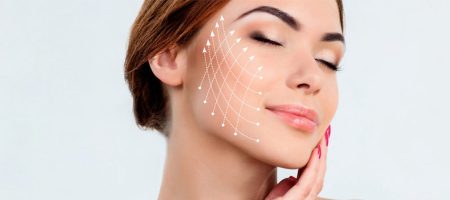
Thread Lift (Non-Surgical) – Uses dissolvable threads for a temporary lift with minimal downtime
What to Expect Before and After a Facelift in Turkey
Before the Procedure:
Detailed online or in-person consultation with your surgeon
Facial assessment to determine the most suitable facelift technique
Medical tests and evaluation to ensure fitness for surgery
Pre-operative instructions including avoiding smoking and certain medications
Personalized treatment plan and itinerary including surgery, transfers, and stay
After the Procedure:
Swelling, bruising, and mild discomfort, especially around the cheeks and jawline
Bandages and sometimes drainage tubes applied to reduce fluid buildup
Initial recovery in a hospital followed by resting at a hotel or recovery facility
Follow-up appointments with the surgeon to monitor healing
Gradual return to normal activities over 2–4 weeks
Final results visible within 2 to 3 months as swelling subsides
How to Prepare for Your Facelift Trip to Turkey
Preparing for a facelift in Turkey starts with thorough research and selecting a reputable clinic with board-certified plastic surgeons and strong patient reviews. Once you’ve chosen your clinic, you’ll have a consultation—either virtually or in person—where your surgeon will assess your face, discuss your goals, and outline a personalized surgical plan. Be sure to ask questions and understand the expected results, potential risks, and recovery process.
Before traveling, follow your surgeon’s pre-operative instructions. These may include stopping certain medications, quitting smoking, and avoiding alcohol. Organize your travel itinerary, book your accommodation (or confirm with the clinic if it’s included), and pack comfortable clothing and essential documents. Having a friend or relative accompany you is also helpful for emotional support and post-surgery assistance.
Facelift Recovery Process and Aftercare Tips
The recovery process after a facelift in Turkey is gradual but manageable when aftercare instructions are followed carefully. Most patients stay in Turkey for 7 to 10 days post-surgery to allow for initial recovery and follow-up visits. Swelling and bruising are common in the first week, but discomfort is typically mild and controlled with medication. Stitches are usually removed within 7 to 10 days.
You’ll begin to see noticeable improvements in your facial contours within a few weeks, with final results becoming clear around the two to three-month mark as all swelling resolves. Long-lasting results depend on proper healing, skin care, and lifestyle habits.
Aftercare Tips:
Keep your head elevated to reduce swelling
Avoid strenuous activities and heavy lifting for at least 3–4 weeks
Follow your surgeon’s wound care and medication instructions
Wear any recommended compression or support garments
Protect your face from direct sun exposure for several weeks
Stay hydrated and maintain a healthy diet to support healing
Attend all follow-up appointments, whether in person or virtual
Facelift Recovery Process
Days 1–3: Expect swelling, bruising, and mild discomfort; rest with your head elevated
Day 4–7: Swelling begins to decrease; continue avoiding strenuous activity
Day 7–10: Stitches or staples are removed; most patients feel ready to move around more comfortably
Week 2–3: Swelling and bruising fade significantly; you may resume light daily activities
Week 4–6: Begin to see more defined results; most patients return to work and light exercise
Month 2–3: Final results become visible as all swelling subsides and tissues settle
Long-term: Continue with good skincare, sun protection, and healthy habits to maintain results
Are the Results of a Facelift in Turkey Long-Lasting?
Yes, the results of a facelift in Turkey are typically long-lasting, with improvements often lasting 10 years or more. The procedure lifts and tightens facial muscles and skin, offering structural rejuvenation rather than just surface-level improvement. The aging process will continue, but your face will still look younger than if you had not had the surgery.
To maintain your results, it’s important to follow a healthy lifestyle, protect your skin from sun damage, avoid smoking, and consider occasional non-surgical treatments like fillers or skin tightening. A well-performed facelift by an experienced Turkish surgeon can deliver natural-looking results that age gracefully over time.
Facelift Turkey Prices 2026
In 2026, facelift procedures in Turkey remain highly attractive due to their cost-effectiveness and world-class quality. Prices vary based on the facelift type (mini, full, SMAS, or deep plane), surgeon experience, and whether services like accommodation, transfers, and aftercare are included. Many clinics offer all-inclusive packages tailored to international patients for added convenience.
While Turkey offers significant savings compared to the UK or US, it’s essential to prioritize clinic credentials and surgeon qualifications. To receive a customized quote and explore your options, contact us today for the latest facelift Turkey prices and package details.
Frequently Asked Questions
How long should I stay in Turkey after a facelift?
You should plan to stay in Turkey for 7 to 10 days following your facelift surgery. This allows enough time for post-operative monitoring, stitch removal, and initial healing before returning home.
Is facelift surgery painful or uncomfortable?
Facelift surgery is generally not painful, as it is performed under anesthesia. After surgery, you may experience mild discomfort, swelling, and tightness, which are usually well-managed with prescribed medications.
Will I have visible scars after a facelift in Turkey?
Scars from a facelift are minimal and discreetly placed, usually around the ears or hairline. Skilled Turkish surgeons use precise techniques to ensure incisions heal well and become barely noticeable over time.
How soon can I return to work or social activities?
Most patients feel ready to return to light work or social events within 2 to 3 weeks, depending on the extent of the procedure and how quickly they heal. Full recovery and final results may take a few months.
What’s the difference between a mini facelift and a full facelift?
A mini facelift targets mild sagging in the lower face and jawline with shorter incisions and less downtime. A full facelift addresses more extensive aging concerns, including the cheeks, jowls, and neck, providing more dramatic and longer-lasting results.
Can I combine facelift surgery with other cosmetic procedures?
Yes, it’s common to combine a facelift with eyelid surgery, brow lift, neck lift, or skin resurfacing treatments for more comprehensive facial rejuvenation. Your surgeon will guide you on safe and effective combinations based on your goals.
Are Turkish plastic surgeons experienced with facelifts for international patients?
Absolutely. Many Turkish surgeons are internationally trained and highly experienced in performing facelifts for patients from around the world. Clinics in Turkey are well-prepared to handle medical tourism and offer full support in English.
How long do facelift results typically last?
Facelift results usually last 10 years or more, depending on your age, skin quality, lifestyle, and the surgical technique used. While aging continues naturally, you’ll always look younger than if you hadn’t had the procedure.
Will my facial expressions look natural after surgery?
Yes. When performed by a skilled surgeon, facelift surgery in Turkey results in a natural, refreshed appearance. The goal is to enhance your look—not to freeze your expression or make you appear “overdone.”
Is a non-surgical facelift a good alternative in Turkey?
Non-surgical options like thread lifts, fillers, or radiofrequency treatments can offer temporary and subtle improvements, especially for younger patients or those with mild sagging. However, they do not replace the long-term, transformative results of surgical facelifts.